


The Kanban system has become a valuable tool in manufacturing and project management, offering a way to streamline processes, reduce waste, and improve efficiency. This methodology, rooted in the principles of lean manufacturing, has become essential for organizations across different industries looking to optimize workflows and achieve impressive outcomes. In this thorough guide, we will explore the intricacies of the Kanban system within the context of lean manufacturing. We will discuss its various types, benefits, implementation strategies, challenges faced during adoption, and more.
Understanding the Kanban System: A Brief Overview
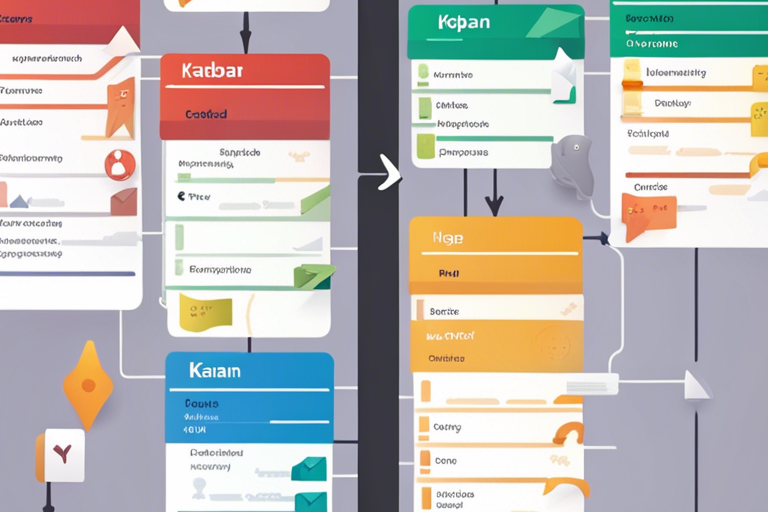
The Kanban system is a key aspect of lean manufacturing that focuses on visualizing work processes to optimize workflow, minimize inventory, and deliver value to customers efficiently. It originated from the Toyota Production System in Japan and is named after “visual signal” or “card,” which symbolizes its core principle. In practice, Kanban utilizes visual cues, typically represented by cards on a board, to indicate the progress and movement of work items through different stages of production or project processes.
Explore this article to discover the value of understanding the application of the Kanban system in lean manufacturing. Whether you’re an experienced professional or simply curious, this comprehensive guide delves into the principles, types, benefits, challenges, and implementation strategies of Kanban. Gain valuable insights to optimize your processes and improve overall efficiency.
Exploring the Kanban System: An In-Depth Analysis
1. What is the Kanban System?
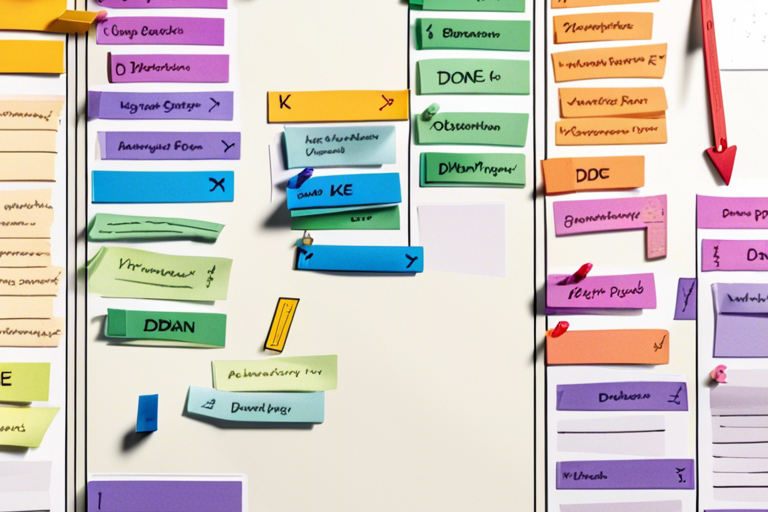
In its essence, the Kanban system is a visual scheduling method used in lean manufacturing to effectively manage workflows. It employs visual indicators, like Kanban cards on a board, to indicate when more work needs to be done or when materials need replenishing. This approach is deeply rooted in the Toyota Production System and aligns with the principles of just-in-time manufacturing and the pull system.
In a manufacturing setting, the Kanban system is utilized to effectively manage the flow of materials and information. This helps prevent excessive production and minimizes waste. Additionally, it allows for an adaptable response to fluctuating demands while alleviating strain on resources.
2. Types of Kanban Systems
There are different variations of the Kanban system that can be customized to specific contexts. The classic Kanban system involves physical cards that move along with the production process, indicating when more work or materials are needed. Another variation is electronic Kanban, which uses digital tools to manage task and material flow. Additionally, there is portfolio Kanban, which applies the concept to project management, allowing teams to visualize their work and prioritize tasks efficiently.
3. Benefits of Implementing Kanban
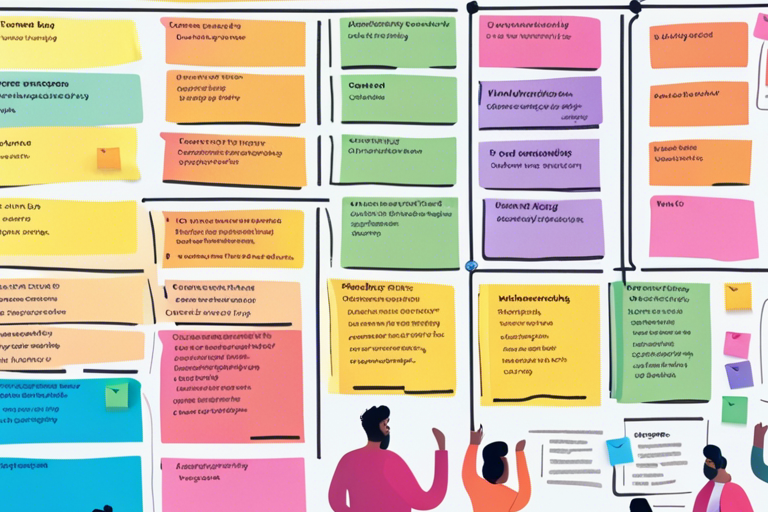
Introducing a Kanban system into your manufacturing or project management process can bring numerous advantages. By improving visibility and transparency, Kanban allows for better decision-making and resource allocation. It aids in reducing waste, enhancing lead times, and optimizing inventory levels. The system promotes collaboration and continuous improvement, cultivating an organizational culture that values agility and adaptability.
4. Implementing Kanban: Challenges and Strategies

Although the Kanban system offers significant benefits, it also presents certain challenges. One of these is the potential resistance from teams who are accustomed to their established routines. It is essential to ensure that everyone understands and embraces the new system for a smooth transition. Additionally, setting up an efficient Kanban board, designing appropriate workflows, and maintaining discipline in following the methodology can all pose difficulties.
To tackle these challenges, organizations must prioritize investments in comprehensive training, effective communication strategies, and change management initiatives. Equally crucial is securing leadership support and fostering a deep understanding of the principles that underpin Kanban for successful implementation.
5. Using Kanban to Eliminate Waste
Waste reduction is a core principle of lean manufacturing, and the Kanban system plays a crucial role in achieving this goal. By implementing a pull-based production approach, where items are manufactured based on demand, Kanban effectively prevents the buildup of excessive inventory and minimizes the risk of overproduction, defects, and waiting time. This approach aligns perfectly with the overall objective of eliminating waste comprehensively, including overprocessing, overproduction, defects, or unnecessary motion.
6. The Kanban Board and Card
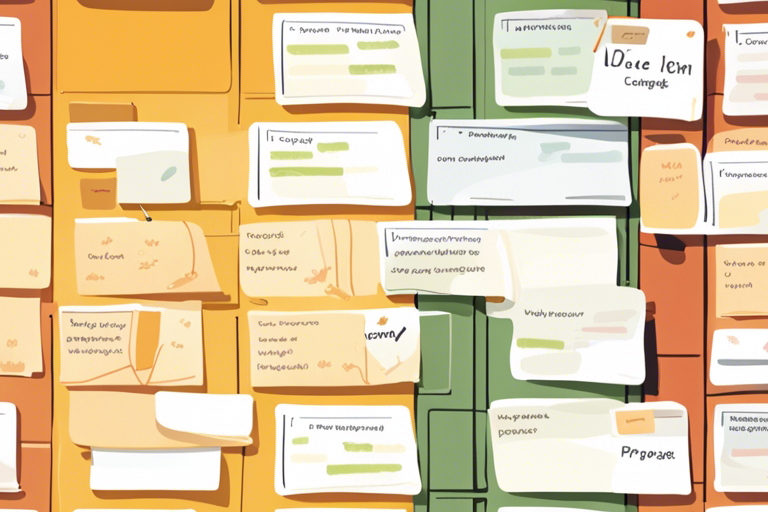
At the heart of the Kanban system is the Kanban board, a visual representation of work items and their status. This board gives teams a clear overview of the entire process, helping them identify bottlenecks, track progress, and make informed decisions. Each work item is represented by a Kanban card that includes task details and current status. As work moves forward, these cards transition across different columns on the board to show how they progress through each stage.
7. Implementing Kanban in Lean Manufacturing

Kanban integrates smoothly into the lean manufacturing framework because both methodologies have shared goals. Kanban enhances the principles and practices of lean manufacturing by providing a visual control system that aligns with just-in-time production and waste reduction concepts. When these two approaches are integrated, organizations can achieve increased efficiency, improved quality, and shorter lead times.
The Kanban system, initially created for manufacturing, has expanded its reach beyond that industry and found utility in software development and project management. The core principles of visualizing work, optimizing flow, and maximizing value delivery still apply. In the context of software development, Kanban has empowered teams to quickly adapt to evolving requirements, eliminate bottlenecks, and strengthen collaboration between developers and stakeholders.
9. The Toyota Connection: Birthplace of Kanban
The Kanban system originated from Toyota’s revolutionary approach to manufacturing. With a focus on reducing waste, maximizing value, and ensuring top-notch quality, Toyota developed the Kanban method as part of their comprehensive production control system. This method not only revolutionized Toyota’s manufacturing process but also set a high standard for efficiency and excellence in the industry.
10. Kanban Methodology: Principles and Practices

The Kanban methodology is based on six fundamental principles. First, it emphasizes starting with the current processes in place. Second, it promotes incremental and evolutionary changes rather than sudden overhauls. Third, it highlights respect for the existing process and acknowledges its value. Fourth, it encourages acts of leadership at all levels within the organization. Fifth, it initially focuses on developing leadership skills across all levels of the organization. Lastly, it advocates for evolving the process collaboratively through continuous improvement and growth. These core principles serve as a guide for organizations as they adopt and adapt the Kanban system to their unique contexts to drive improvement and progress.
Key Takeaways: Enhancing Your Approach with Kanban
- Visualize Work: Use Kanban boards and cards to visually represent your work process. This allows you to easily identify any bottlenecks and ensure smooth workflow.
- Reducing Waste: By implementing Kanban, organizations can effectively eliminate unnecessary waste, reduce overproduction, and optimize the utilization of resources
- Incorporate Lean Principles: By aligning Kanban practices with lean manufacturing principles, you can optimize efficiency and ensure maximum value delivery.
- Promote Collaboration: Kanban fosters a collaborative environment that promotes adaptability and continuous improvement within your teams.
- Embrace Change: Embrace the concept of change and utilize Kanban’s evolutionary approach to continuously adapt and refine your processes as necessary.
- Improve Decision-Making: Kanban’s visual indicators can be used to enhance decision-making and optimize resource allocation.