


In the fast-paced world of business, organizations are constantly seeking ways to maximize productivity and efficiency. Among the many project management methodologies available, one that has gained prominence is Kanban. This powerful tool helps manage workflows and enhance processes. In this article, we will explore the realm of Kanban certification, providing a comprehensive guide to its advantages, training opportunities, and the intricacies of its system design.
Complete Guide to Kanban Certification for Workflow Success
If you’re interested in improving your understanding of workflow management, this article is perfect for you. We’ll break down the important concepts of Kanban certification and explain its relevance in today’s Agile landscape. Discover how becoming a Certified Kanban Professional can greatly enhance your career prospects. Explore the foundational principles of the Kanban method and delve into the details of certification courses and training. This comprehensive guide will serve as your entry point to mastering Kanban practices.
Table of Contents
- Kanban Certification Demystified
- Exploring the Kanban Methodology
- Kanban Certification: Your Path to Mastery
- Choosing the Right Kanban Training
- Understanding Kanban System Design
- Becoming a Certified Kanban Coach
- Kanban Certification Costs and Benefits
- Navigating Kanban Certification Costs in the US
- Kanban vs. Scrum: Decoding the Differences
- Mastering Agile with Kanban Certification
Let’s dive into the world of Kanban certification and discover how it can transform your approach to managing workflows.
1. Kanban Certification Demystified

Kanban goes beyond being a simple visual management tool; it embodies a philosophy centered on making incremental and evolutionary improvements in processes. Kanban certification provides individuals with the structured program necessary to effectively implement and manage Kanban systems. By obtaining certification, you gain the credibility to lead teams, optimize processes, and achieve results that align with Agile and Lean principles.
2. Exploring the Kanban Methodology

Kanban, which is based on Lean principles, focuses on visualizing work, setting limits on work in progress (WIP), and improving the flow of tasks. This adaptable approach can be utilized across different industries and teams. By implementing Kanban, you open up opportunities for effective risk management, enhanced service delivery, and improved collaboration within your teams.
3. Kanban Certification: Your Path to Mastery
If you are interested in becoming a certified Kanban professional, there are various options available to you. One popular choice is the certification courses offered by organizations like Kanban University. These courses are designed to cater to different skill levels and provide a comprehensive understanding of the Kanban method, including its principles and practices. The most common certification program is the Kanban Management Professional (KMP) program.
4. Choosing the Right Kanban Training

Choosing the right training course is essential for your Kanban journey. A quality training program will provide a comprehensive understanding of Kanban, including its core principles, historical context, and practical application in real-world scenarios. Whether you decide on classroom-based instruction or online courses, it’s important to select an accredited training organization with a track record of delivering high-quality education.
5. Understanding Kanban System Design

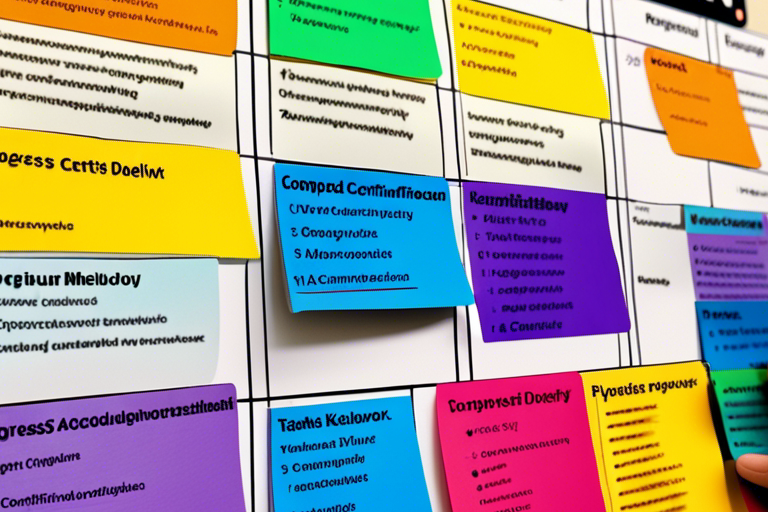
Kanban goes beyond simply rearranging sticky notes on a board. It requires an organized approach to designing customized Kanban systems that meet the specific requirements of your organization. By taking the Kanban system design certification course, you’ll gain valuable tools to create streamlined workflows, establish optimal work-in-progress limits, and continually enhance your processes for maximum efficiency.
6. Becoming a Certified Kanban Coach

If you are interested in guiding teams and organizations on their Kanban journey, becoming a certified Kanban coach is a great option. As a Kanban coach, your role will involve mentoring teams, facilitating change, and ensuring the successful implementation of Kanban practices. The certification process will enhance your understanding of coaching techniques and how to effectively apply Kanban principles to drive lasting change.
7. Kanban Certification Costs and Benefits
While there are costs associated with investing in Kanban certification, the benefits that come with it far outweigh them. Certification not only provides international recognition but also enhances your career prospects by showcasing your expertise in implementing Kanban methodology. Additionally, it equips you with the necessary skills to drive positive change within your organization. So, instead of considering the certification cost as an expense, think of it as an investment in your professional growth and the ability to deliver meaningful results.
8. Navigating Kanban Certification Costs in the US

Although the advantages of obtaining Kanban certification are significant, it’s crucial to consider the associated expenses. The amount you invest in your professional development by obtaining certification is an investment in enhancing your skills, advancing your career, and making a valuable contribution to your organization. Let’s examine the estimated cost range for various Kanban certifications in the United States.
Kanban Management Professional (KMP) Certification
If you’re looking to deepen your understanding of Kanban principles and practices, the Kanban Management Professional (KMP) certification is a solid choice. Offered by different training organizations, this foundational certification provides individuals with valuable insights. Keep in mind that the cost of the KMP certification course can vary depending on factors such as the training provider, course format (in-person or online), and any additional resources included.
The average cost of a KMP certification course in the US typically ranges from $800 to $1,500. This price usually covers course materials, training sessions, and resources to assist with exam preparation.
Certified Kanban Coach (CKC) Certification
If you’re passionate about coaching and guiding teams on their Kanban journey, the Certified Kanban Coach (CKC) certification is a valuable option. This advanced certification provides the skills needed to effectively facilitate organizational change and successfully implement Kanban practices.
The cost of CKC certification can vary greatly depending on various factors, including the training organization, the depth of coaching expertise covered, and any extra support offered. On average, you can anticipate the cost of CKC certification to be approximately $1,500 to $3,000 in the United States.
Accredited Kanban Trainer (AKT) Certification
If you’re interested in becoming a trainer or educator in the field of Kanban, obtaining the Accredited Kanban Trainer (AKT) certification is highly recommended. This certification provides you with the necessary skills and knowledge to confidently deliver effective Kanban training to others.
The price of AKT certification can vary depending on the training organization, the level of expertise covered, and any additional resources included. On average, in the US, the cost of AKT certification typically falls between $1,000 to $2,500.
Kanban University’s Certified Kanban Program
Kanban University provides certification programs designed for various skill levels and roles within organizations. The cost of these certifications may vary depending on the specific program, training format, and resources included.
Factors Influencing Certification Costs
- Training Provider: The cost of training programs may vary depending on the organization providing them. Factors such as reputation, experience, and available resources can influence pricing structures.
When it comes to training, the format can greatly impact costs. In-person training sessions, for example, may incur additional expenses compared to online courses due to factors such as resources, facilities, and logistical considerations. - Course Duration: The duration of a certification program can impact its cost. Longer programs that offer more comprehensive coverage may have higher costs compared to shorter programs.
- Additional Resources: Some certifications may include study materials, practice exams, and online resources that can impact the total cost.
When considering enrolling in a certification course, it’s important to do your research and explore multiple training providers. Comparing their offerings will help you assess the value you’ll receive from the certification program. Keep in mind that while upfront costs may vary, the skills and knowledge gained through certification can greatly impact your career and professional growth in the long run.
Key Considerations for Certification Costs
- Invest in Your Career: View the cost of certification as an investment in your skills, knowledge, and career advancement. While it may require a higher upfront investment, it can lead to substantial long-term benefits.
- Value and Resources: It’s important to assess the contents of the certification package. Look out for any additional resources, study materials, or practice exams that can enhance your learning and preparation process.
- Researching Training Provider Reputation: It’s important to thoroughly research the reputation of the training provider. Take the time to read reviews and seek recommendations from industry peers to ensure that you’re enrolling in a program that offers high-quality education.
- Career Benefits: Consider the potential career benefits, such as salary increases and opportunities for advancement, that come with obtaining a Kanban certification. Compare these benefits to the cost of certification.
In summary, investing in Kanban certification can vary in cost but it is a valuable investment in your professional growth and expertise. By selecting the appropriate certification path and training provider, you can acquire the necessary skills to thrive in Agile and Lean methodologies. This will enable you to make significant contributions to your organization’s achievements and reach your career aspirations.
9. Kanban vs. Scrum: Decoding the Differences
Although Kanban and Scrum are both considered Agile methodologies, they approach project management in distinct ways. It’s crucial to understand these differences so that you can make informed decisions about which methodology best aligns with your organization’s goals and values. By thoroughly comparing and contrasting the two, you’ll be able to determine when it’s most beneficial to utilize Kanban or when Scrum might be a more suitable choice.
10. Mastering Agile with Kanban Certification
Agile methodologies have revolutionized project management and execution. Kanban, as an Agile approach, aligns perfectly with the values and principles stated in the Agile Manifesto. By becoming Kanban certified, you will acquire the necessary knowledge to seamlessly incorporate Kanban practices into your Agile framework, resulting in enhanced efficiency and value delivery.
Key Takeaways
- By acquiring Kanban certification, you gain the necessary knowledge and skills to successfully implement and manage Kanban systems.
- The Kanban methodology focuses on visually representing work, setting limits on work in progress (WIP), and enhancing the flow of work items.
- The Kanban Management Professional (KMP) program is a widely recognized certification pathway that provides a comprehensive grasp of Kanban principles.
- When embarking on your Kanban certification journey, it is important to choose a trusted and reputable training organization
- By becoming a certified Kanban coach, you have the opportunity to lead teams and facilitate positive transformations within organizations.
- To effectively choose the right methodology for your projects, it is crucial to understand the differences between Kanban and Scrum.
- Obtaining a Kanban certification complements and enhances the principles of Agile methodology, resulting in increased efficiency and improved delivery of value
In summary, obtaining a Kanban certification is a valuable step towards becoming skilled and certified in the practice of Kanban. Whether you’re looking to advance your career, drive organizational change, or simply gain a deeper understanding of effective workflow management, Kanban certification equips you with the necessary tools and expertise. So why wait? Dive in, explore your options, and get certified to embark on a journey of continuous improvement and success within the realm of Agile and Lean methodologies.