


In the rapidly evolving world of business, organizations are always on the lookout for ways to improve project management practices, streamline workflows, and foster collaboration among teams. One highly effective method that has garnered significant recognition is the integration of Kanban systems. This article aims to provide you with an in-depth understanding of how to implement Kanban successfully, explore its numerous benefits, and offer strategies for seamlessly incorporating it into your agile development process.
1. Kanban Basics
Kanban is essentially a visual project management technique that was initially developed within the Toyota Production System. It is based on principles aimed at enhancing efficiency, minimizing waste, and promoting continual improvement. The key tenets of the Kanban method involve visualizing workflow, setting limits on work in progress (WIP), and responding to demand by pulling work through the system.
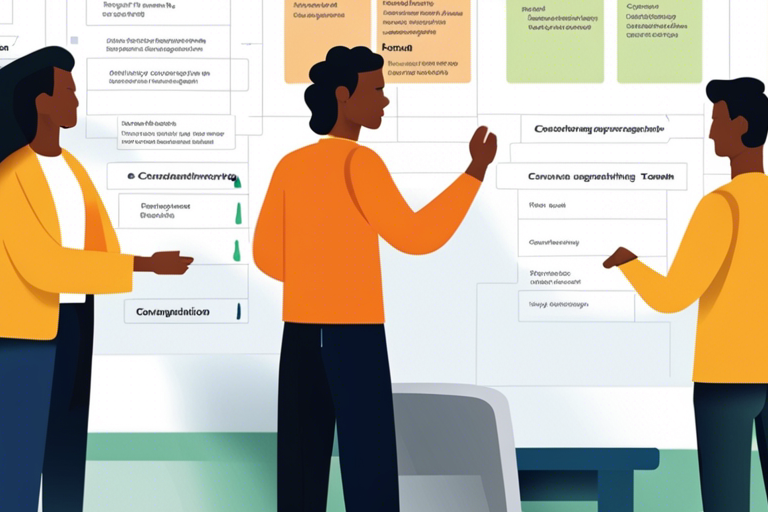
At the core of Kanban is the Kanban board, which visually represents your workflow. The board consists of columns that represent different stages of your process. Each task or work item is represented as a card that moves across the board as it progresses through these stages.
2. Kanban vs. Scrum
Although Kanban and Scrum are both popular agile methodologies, they have distinct approaches. While Scrum revolves around time-boxed iterations called sprints, Kanban prioritizes a continuous flow of work. Kanban is especially valuable for processes with unpredictable workloads or frequent changes. On the other hand, Scrum is well-suited for projects with fixed requirements and a more structured development approach.
3. Kanban Tools and Software
There are several tools and software options available to support the implementation of a Kanban system. Platforms like Jira Software, for example, provide Kanban boards that enable teams to visualize their workflow, track progress, and efficiently manage work items. These digital Kanban boards also facilitate seamless collaboration for distributed teams by offering real-time updates on task status.
4. Kanban Metrics and Analytics
By implementing Kanban, you can introduce important metrics to gauge the effectiveness of your workflow. Metrics like cycle time, lead time, and throughput offer valuable insights into the efficiency and productivity of your process. Cycle time refers to the duration it takes to complete a work item, while lead time encompasses the overall period from when work is initiated until its completion. Throughput quantifies the number of work items successfully finished within a specified timeframe.
5. Kanban in Agile Development
Kanban seamlessly integrates into the agile development framework, aligning with its core principles of embracing change, prioritizing customer value, and fostering collaboration across teams. Its implementation within agile development brings enhanced adaptability in addressing changes, identifying bottlenecks, and continuously optimizing workflow.
6. Kanban Implementation Strategies
To successfully implement a Kanban system into your workflow, it’s essential to plan and execute with care. Here are some strategies to help you seamlessly integrate Kanban:
a. Map Out Your Workflow:
Start by visualizing your current workflow. Identify the different stages, handoffs, and dependencies to create a clear representation of how work moves within your team or organization.
b. Set WIP Limits:
Another important practice in Kanban is setting Work in Progress (WIP) limits. These limits are put in place to prevent overloading the team and promote a smooth flow of work. By limiting the number of tasks that can be in progress at each stage of your Kanban board, you can easily identify bottlenecks and encourage teams to finish tasks before starting new ones.
c. Implement Pull System:
One fundamental concept in Kanban is the implementation of a pull system. With this approach, work is only pulled into the next stage when there is capacity to handle it. By using a pull system, waste is minimized and teams can focus on completing tasks promptly.
d. Continuous Improvement:
Encourage an ongoing commitment to improvement by regularly analyzing your Kanban metrics and identifying areas for optimization. Conducting regular retrospectives can povide valuable insights into process bottlenecks, team collaboration, and improving the overall efficiency of your workflow.
e. Gradual Implementation:
Gradually implementing Kanban allows for a smoother transition, as it doesn’t necessitate a complete overhaul of existing processes. This approach allows teams to gradually integrate Kanban practices and adapt to the methodology over time.
f. Training and Support:
It’s crucial to provide thorough training and support for your team members as they make the transition to Kanban. This will help them gain a solid understanding of the principles, practices, and benefits of using Kanban, ultimately leading to a more seamless adoption process.
Conclusion
Integrating a Kanban system can transform how your team handles projects and workflows. By visualizing processes, setting limits on work in progress, and encouraging ongoing improvement, Kanban offers a framework to optimize efficiency, promote collaboration, and swiftly adapt to changes. Whether you operate in software development, manufacturing, or any other sector, adopting the principles and practices of Kanban can empower you to attain greater agility and triumph in today’s fast-paced business landscape.