


Managing workflows and ensuring smooth task completion can be a challenge when working on complex projects as part of a team. That’s where Kanban boards come in. Whether you’re in software development, project management, or any field that requires efficient task organization and execution, using Kanban boards can greatly enhance your team’s productivity and collaboration. In this article, we will explore the benefits of Kanban boards, different types available, and how they can effectively be utilized alongside popular methodologies like Scrum.
Visualize your entire workflow with a Kanban board. This powerful tool allows you to easily track the progress of tasks, identify completed items, and pinpoint any bottlenecks in your process. It’s especially valuable for efficient project management, providing a clear and collaborative way to manage work items and track task flow within your team.
Exploring the Key Elements of Kanban Boards
1. Understanding Kanban Boards
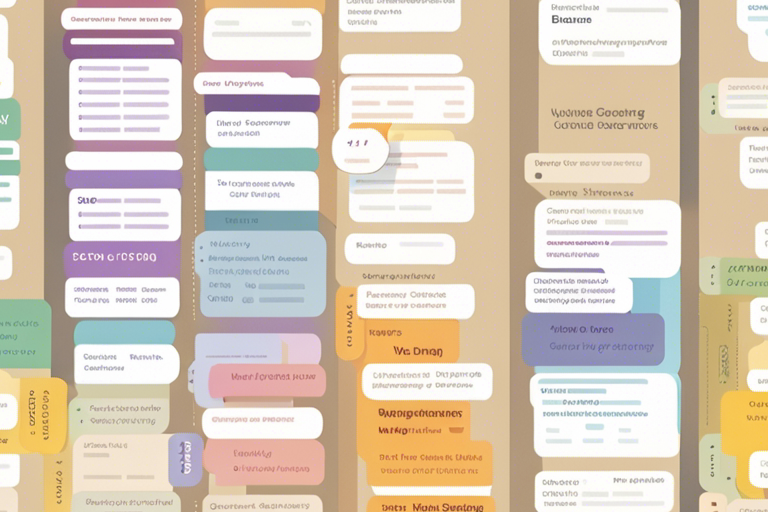
The central component of the Kanban methodology is the Kanban board. This tool allows teams to visually represent their workflow by dividing tasks into manageable units. Each task is represented by a card that moves through different stages on the board, indicating its progress from start to finish.
2. Different Types of Kanban Boards
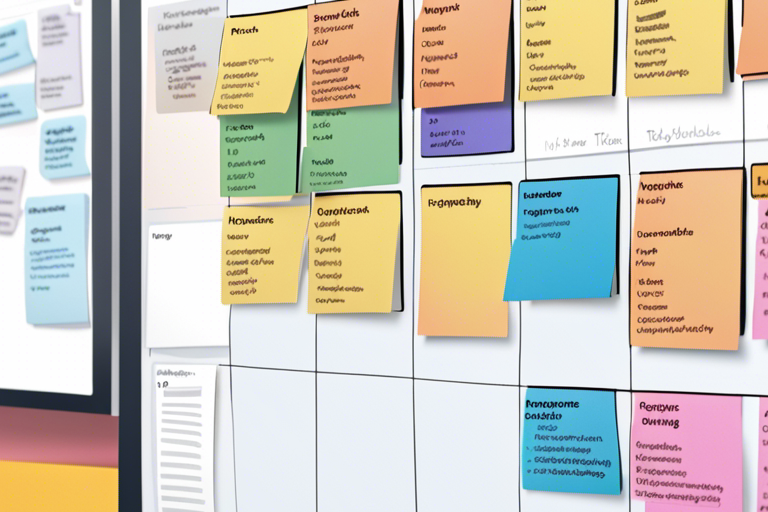
There are different types of Kanban boards that cater to specific use cases. These range from physical boards adorned with sticky notes to digital ones integrated with project management software, providing teams with a wide array of options. The adaptable nature of Kanban boards enables teams to select the style that aligns best with their workflow.
3. The Benefits of Kanban Boards

Using Kanban boards offers several advantages, with enhanced collaboration and communication being a standout benefit. By visually representing work items and tracking their progress, team members can quickly identify bottlenecks and adjust their efforts accordingly. Additionally, by setting limits on the number of tasks in progress (WIP), Kanban boards help maintain a steady workflow, preventing overload and ensuring timely task completion.
4. Integrating Kanban with Agile Methodologies
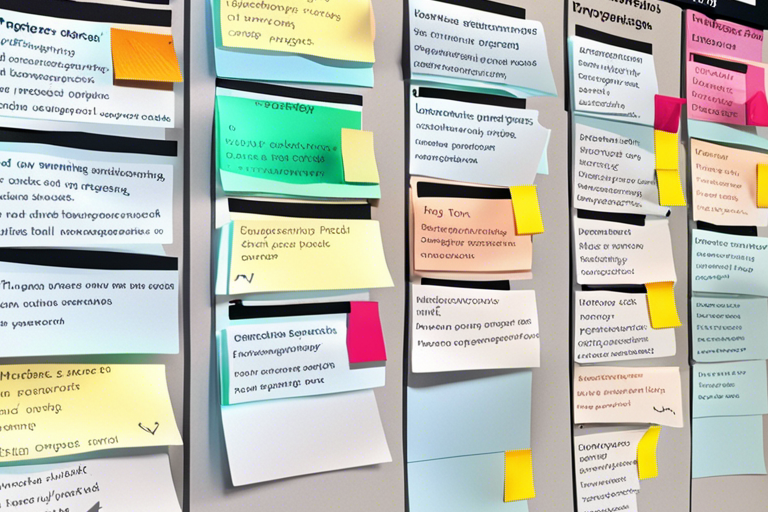
Although **Kanban** and **Scrum** are typically considered separate methodologies, they can work together harmoniously. **Scrum** provides a structured framework for iterative development, while **Kanban** offers flexibility in task management. By combining these methodologies, teams can enjoy the advantages of both, striking a perfect balance between structure and adaptability. Check our Scrum better with Kanban certification training here.
5. Creating an Effective Kanban Board
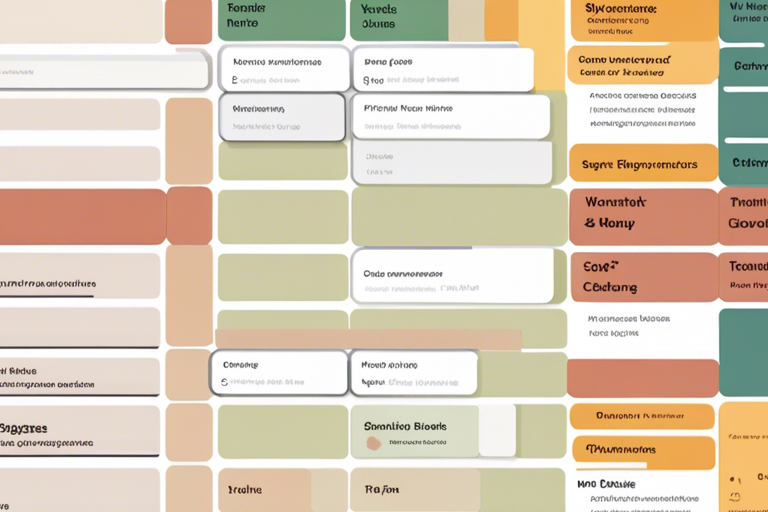
To make the most of a Kanban board, it should incorporate specific elements. These elements include visually represented columns that represent different work stages, clear descriptions for each task, and predetermined limits on how many tasks can be in each column at a time. By following these principles, teams can create an effective Kanban board that enhances their workflow.
6. Tools for Kanban Project Management
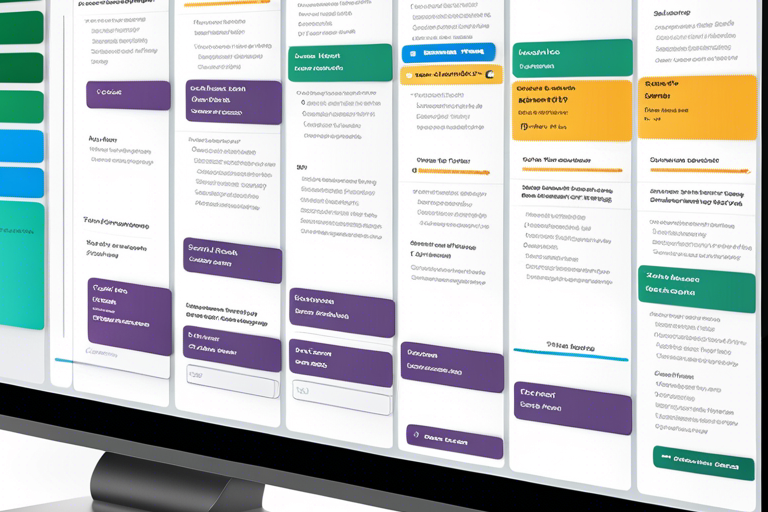
In today’s digital age, there are many tools available to make **Kanban project management** more efficient. Online **Kanban boards** provide a variety of useful features, including customizable workflows and real-time collaboration. These tools eliminate the need for physical boards and sticky notes, making task management a smoother process.
How to Make the Most of Your Kanban Board
1. Choose the Right Kanban Board for Your Needs
When choosing a Kanban board, it’s important to consider the type of work you do and the preferences of your team. Would you prefer a physical board with tangible cards, or would an online Kanban board better suit your digital workflow? The decision is up to you.
2. Define Your Workflow Stages
To effectively manage your tasks, it can be helpful to map out the different stages they go through from start to finish. These stages will serve as the columns on your Kanban board, representing the workflow of your team.
3. Set Work in Progress (WIP) Limits
To prevent work overload, it’s important to set work-in-progress (WIP) limits for each stage of the process. This helps ensure a smooth flow of tasks through the pipeline and allows team members to focus on completing one task before taking on new ones.
4. Embrace Continuous Improvement
Continuously analyze your Kanban board to pinpoint areas that could benefit from improvement. Are certain stages consistently causing delays? Is there potential to further streamline your workflow? Utilize the knowledge you gain to continuously fine-tune your process.
5. Encourage Collaboration and Communication
A Kanban board relies on collaboration and encourages team members to openly communicate about their tasks, share insights, and provide updates on progress. This transparency fosters accountability and enhances team cohesion.
6. Adapt and Evolve
As your team and projects progress, it’s important to adapt your Kanban board accordingly. Don’t hesitate to modify the structure, stages, and work-in-progress (WIP) limits of your board to meet changing needs. The flexibility of the Kanban methodology allows you to effectively respond to evolving circumstances.
Final Thoughts: Unleash the Power of Kanban Boards
In today’s fast-paced work environment, it’s crucial to find ways to optimize workflows, enhance collaboration, and streamline project management. A dynamic solution to these challenges is utilizing kanban boards. Kanban boards allow teams to visualize their work, identify bottlenecks, and keep tasks moving smoothly. Whether you’re in software development, project management or any field where efficient task management is essential, incorporating kanban boards into your approach can lead to significant improvements in productivity and team cohesion.
Keep in mind that a properly designed Kanban board is more than just a tool. It serves as a gateway to improved efficiency, clearer communication, and ongoing progress. By grasping the fundamental principles, advantages, and different types of Kanban boards, you can embark on a journey towards better project management and team collaboration. So don’t hesitate to embrace the potential that Kanban boards offer – your team’s productivity will surely benefit from it.
Key Takeaways:
- There are various types of Kanban boards available, ranging from physical boards to digital tools. This provides flexibility to accommodate different workflows.
- There are several benefits to using Kanban boards. Firstly, they promote better collaboration among team members, allowing for improved communication and coordination. Additionally, Kanban boards offer enhanced visibility of the workflow, making
- By incorporating Kanban into agile methodologies such as Scrum, project management can achieve a harmonious and effective approach.
- When creating a Kanban board, it is important to define clear workflow stages, establish limits on work in progress (WIP), and promote a culture of continuous improvement.
- Finding the right Kanban board and making adaptations as needed is crucial for maximizing its effectiveness in achieving success for your team.